Insights
Capital Raising Intelligence
Research, frameworks, and operational playbooks for emerging fund managers raising institutional capital.
Guide
The Capital Raising Stack: What Emerging Managers Actually Need (and What They Can Skip)
A practitioner's guide to the three paths for raising a fund: hiring a placement agent, building a software stack, or using an integrated platform. Real costs, honest trade-offs, and a decision framework for Fund I-III managers.
Guides
Guide
Private Equity Fundraising in 2026: What Emerging Managers Need to Know
Guide
Regulation D Guide: 506(b), 506(c), and Form D for Fund Managers
Guide
The Fundraising Data Room Guide: What LPs Actually Want to See

Guide
The LP Discovery Playbook: How to Find, Qualify, and Reach Institutional Investors
Guide
How to Raise a Private Equity Fund: The Complete Guide for Emerging Managers
Latest Articles
Data & Research
Institutional LP Allocation Statistics (2026): By Investor Type
Institutional investor allocation statistics for 2026. Pension funds, endowments, family offices, sovereign wealth funds, and insurance company PE allocation data with historical trends.
Data & Research
Private Equity Fundraising Statistics (2026): 50+ Data Points
Comprehensive private equity fundraising statistics for 2026. Fund sizes, timelines, dry powder, placement agent fees, GP commitment benchmarks, and LP sentiment data.
Data & Research
Private Equity Returns Statistics (2026): IRR, TVPI, and DPI Benchmarks
Data & Benchmarks
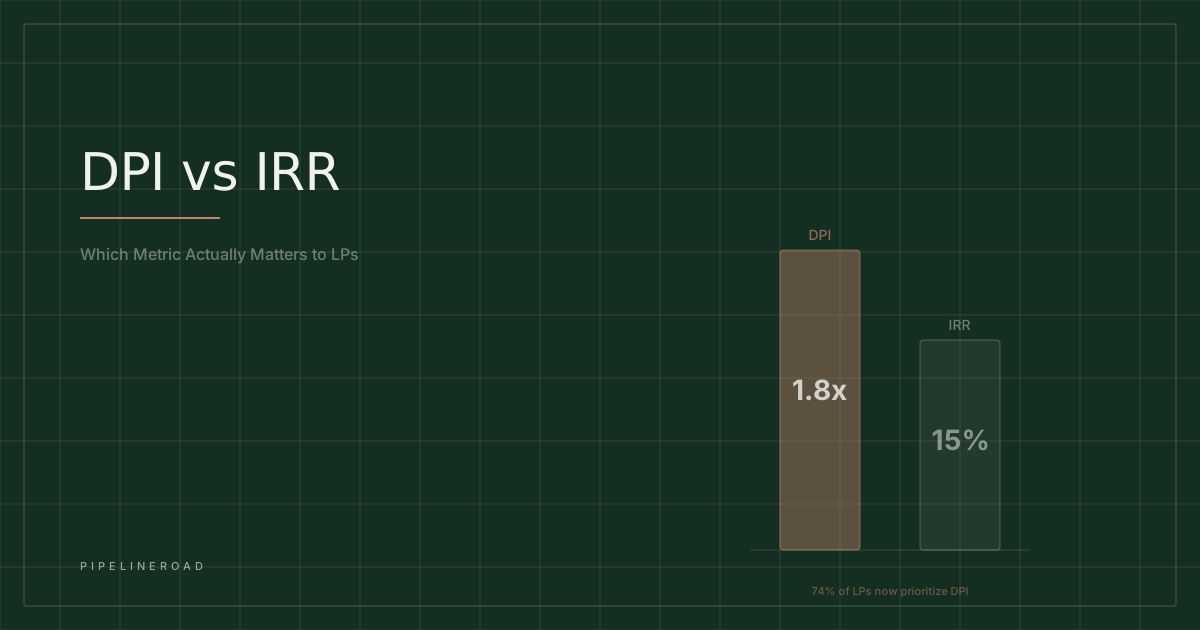
DPI vs IRR: Which Fund Performance Metric Matters More?

Education
LP vs GP: Key Differences Every Fund Professional Should Know
Education
Private Equity Due Diligence: The Complete Process for Fund Managers and LPs
Data & Benchmarks
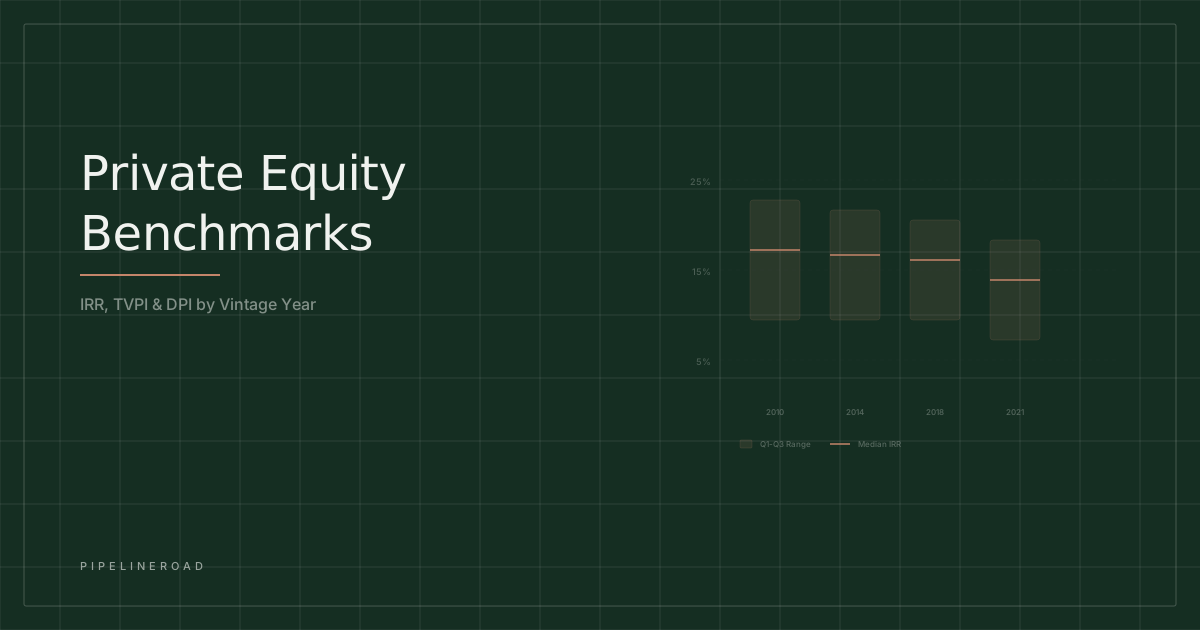
Private Equity Benchmarks: How to Measure Fund Performance Against Industry Standards
Data & Benchmarks
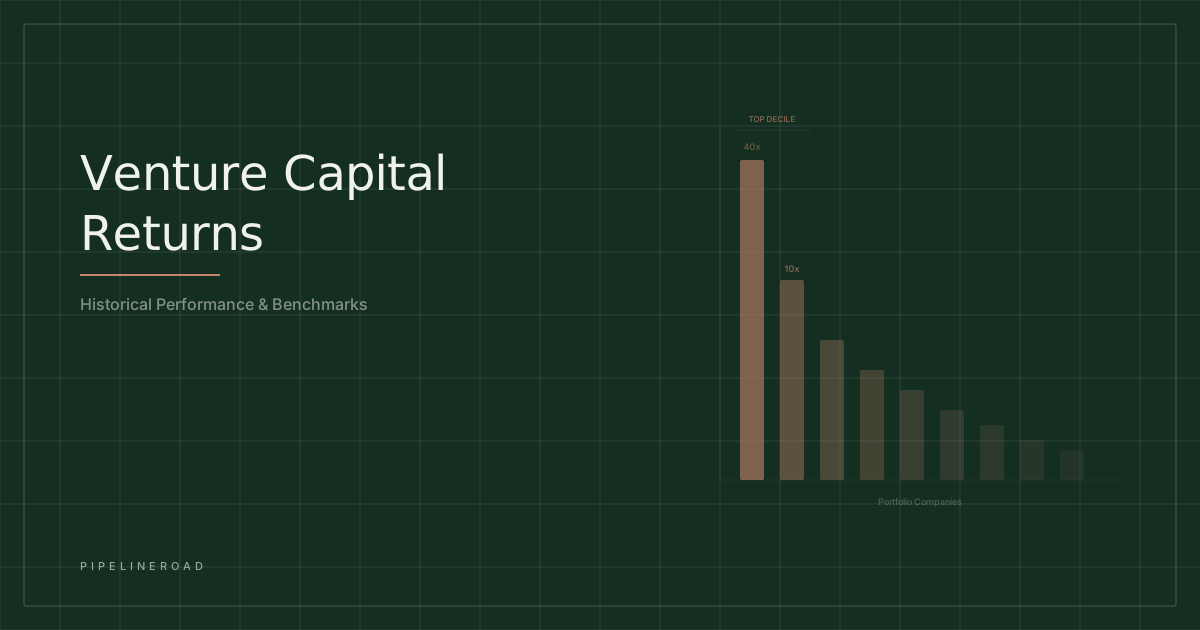
Venture Capital Returns: Historical Performance, Benchmarks, and What LPs Expect
Market Intelligence
Private Equity Fundraising in 2026: What Emerging Managers Need to Know
Compliance
506(b) vs 506(c): Which Reg D Exemption Should Your Fund Use?
Market Intelligence
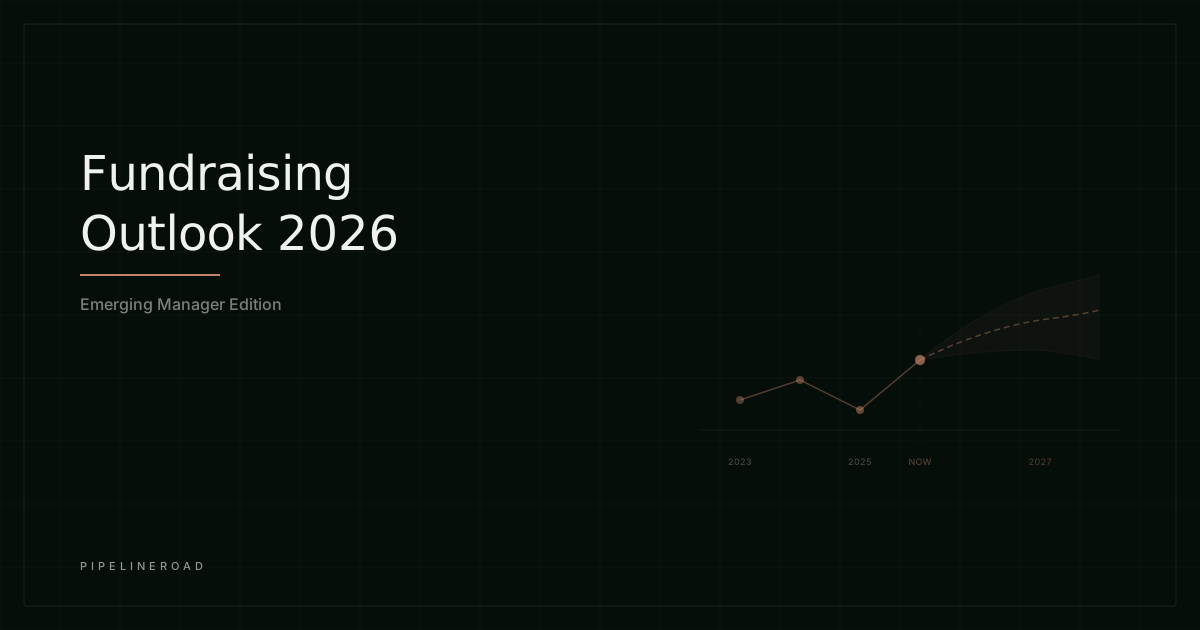
Fundraising Outlook 2026: What the Data Says for Emerging Managers
Fundraising
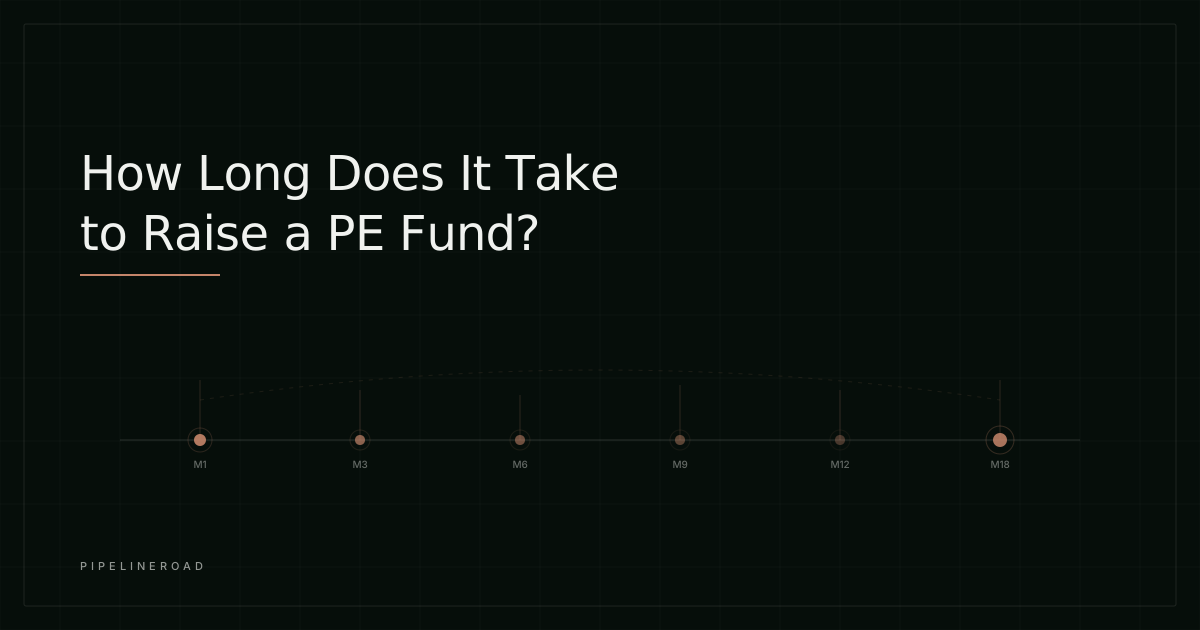
How Long Does It Take to Raise a Private Equity Fund? (2026 Data)
Compliance
Regulation D Guide: 506(b), 506(c), and Form D for Fund Managers
Market Intelligence
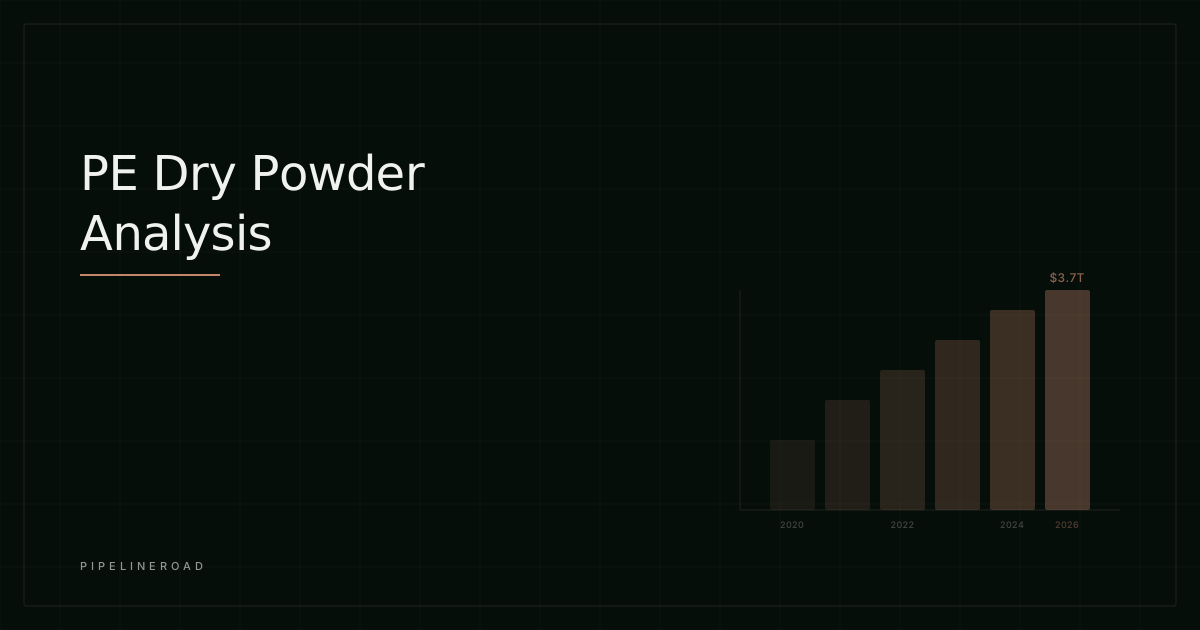
Private Equity Dry Powder: What $3.7 Trillion Means for Fundraising
Fundraising
The Fundraising Data Room Guide: What LPs Actually Want to See
Fundraising
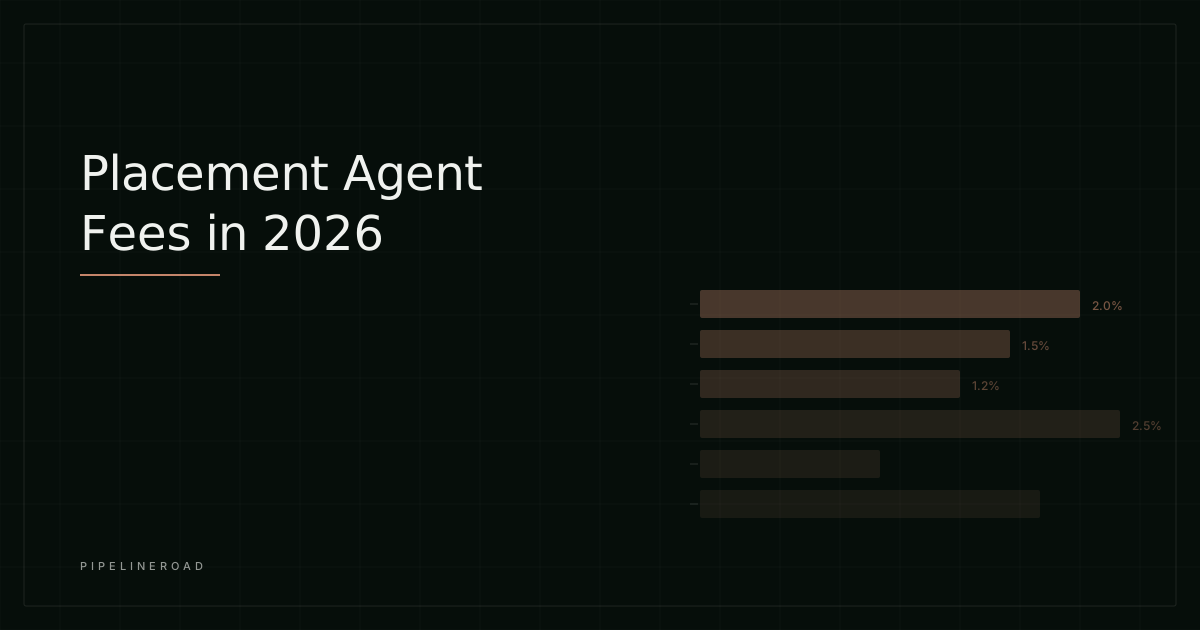
Placement Agent Fees in 2026: What Fund Managers Actually Pay
Market Intelligence
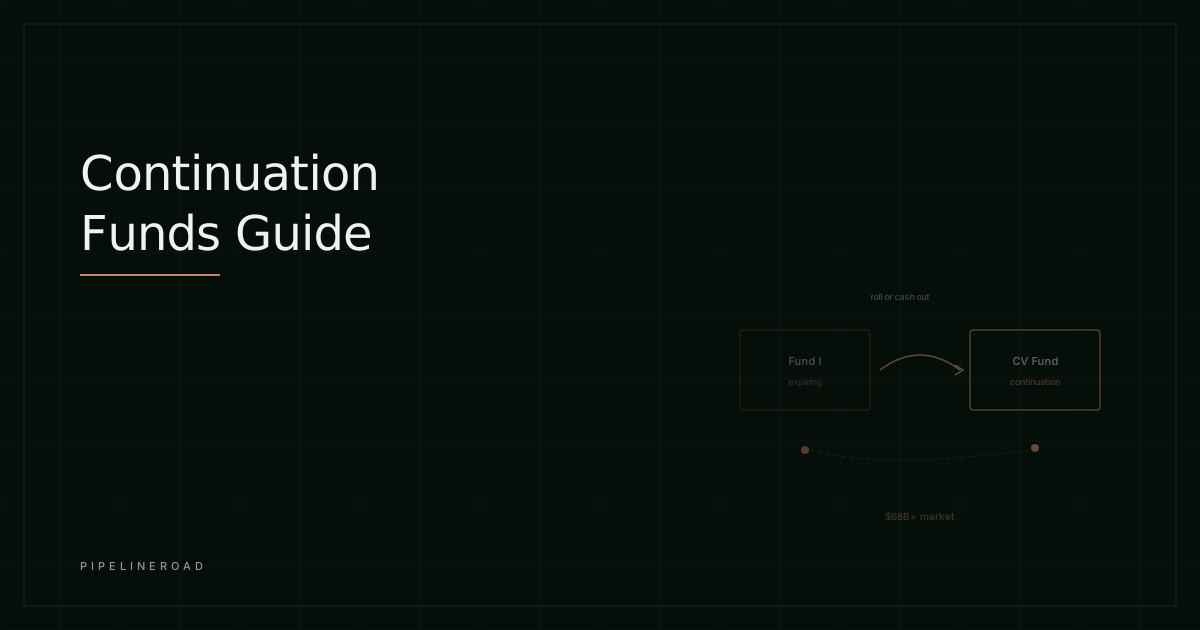
Continuation Funds: Structure, Benefits, and GP Considerations
Market Intelligence
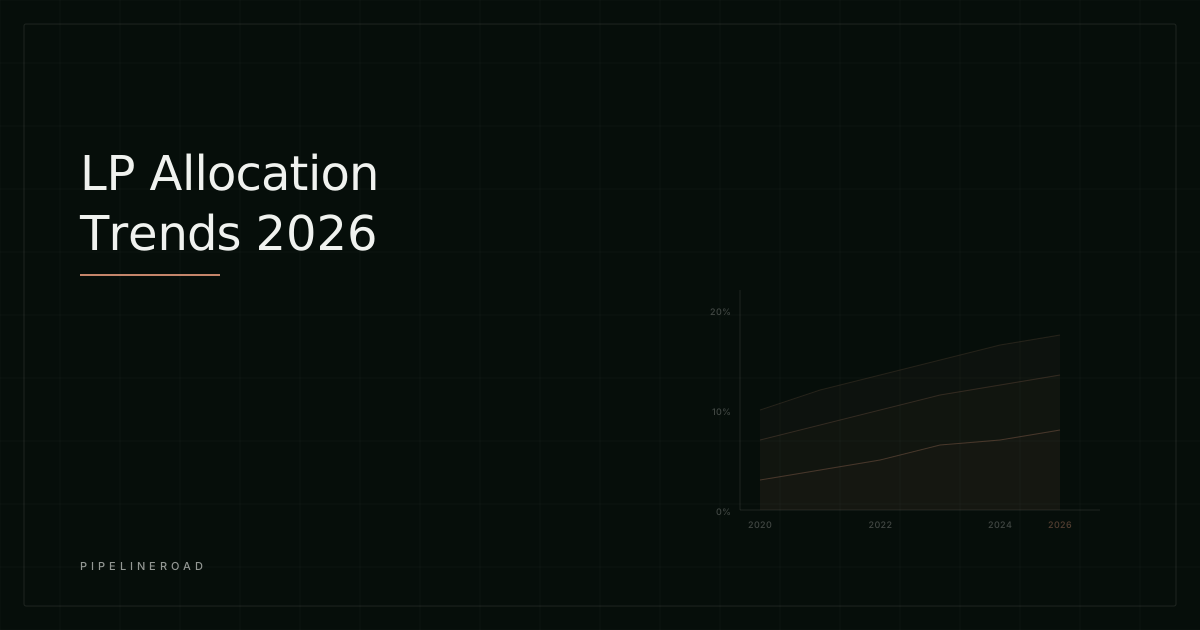
Institutional LP Allocation Trends in 2026: What Fund Managers Need to Know
Capital Raising
ILPA Reporting Standards: What LPs Expect from Fund Managers

Compliance
Blue Sky Laws and Private Fund Offerings: A State-by-State Guide
Capital Raising
The LP Discovery Playbook: How to Find, Qualify, and Reach Institutional Investors

Compliance
How to File Form D: Complete Guide for Fund Managers
Compliance
Accredited Investor Verification: A Step-by-Step Guide for Fund Managers
Capital Raising
The Institutional Investor Outreach Playbook for Emerging Fund Managers
Compliance
Limited Partnership Agreement Essentials for Emerging Fund Managers

Capital Raising
Side Letters in Private Equity: A GP's Negotiation Guide
Fundraising
How to Raise a Private Equity Fund: The Complete Guide for Emerging Managers
Fundraising
The LP Pitch Deck: What Institutional Investors Actually Want to See

Compliance
Private Placement Memorandum: What to Include and Why It Matters

Fundraising
Building an Anchor Investor Strategy for Your Fund
Capital Raising
Pension Fund Private Equity Allocations: What GPs Should Know

Capital Raising
Family Offices and Private Equity: What Fund Managers Need to Know
Capital Raising
How to Get Meetings with Institutional LPs

Capital Raising
How to Build a Track Record for Your First Fund

Fundraising
The Fundraising Roadshow: How to Run Effective LP Meetings
Fundraising
First Close vs Final Close: Key Milestones Every Fund Manager Should Know

Fundraising
GP Commitment: How Much Should GPs Invest in Their Own Fund?
Comparisons
Clari vs PipelineRoad (and others)
5 Clari Alternatives for Fund Managers in 2026
Clari is a strong revenue intelligence platform for B2B SaaS sales teams, but it was not designed for fund managers, LP ...
DealCloud vs PipelineRoad (and others)
5 DealCloud Alternatives for Fund Managers in 2026
DealCloud is the most configurable deal and relationship management platform in the alternatives industry, but its price...

Juniper Square vs PipelineRoad (and others)
5 Juniper Square Alternatives for Fund Managers in 2026
Juniper Square is a strong platform for real estate fund managers who need investor reporting, capital call management, ...

PipelineRoad vs Affinity
PipelineRoad vs Affinity CRM: Fundraising Copilot vs Relationship Intelligence
Affinity is the best relationship intelligence CRM for fund managers who already have an LP network and need to organize...

PipelineRoad vs 4Degrees
PipelineRoad vs 4Degrees: Fundraising Copilot vs Relationship Intelligence CRM
4Degrees is a strong relationship intelligence CRM for deal sourcing and contact management. PipelineRoad is a fundraisi...

PipelineRoad vs Dakota
PipelineRoad vs Dakota: Managed Fundraising Copilot vs LP Database
Dakota is the leading LP database for research and contact discovery. PipelineRoad goes further by adding managed outrea...

PipelineRoad vs Altvia
PipelineRoad vs Altvia: Fundraising Copilot vs Salesforce-Native Alternative Investment Platform
Altvia is a strong choice for firms already committed to Salesforce that need investor relations and fundraising analyti...
PipelineRoad vs DealCloud
PipelineRoad vs DealCloud: Capital Raising Copilot vs Enterprise Deal Management
DealCloud is a powerful enterprise platform for firms that need deep deal pipeline management and custom reporting acros...

PipelineRoad vs Dynamo Software
PipelineRoad vs Dynamo Software: Capital Raising Copilot vs Fund Management Suite
Dynamo Software is a broad fund management suite for firms that need CRM, portfolio monitoring, and investor portal in o...

PipelineRoad vs eFront
PipelineRoad vs eFront: Capital Raising Copilot vs Portfolio Management Platform
eFront is an enterprise portfolio management platform for large allocators and fund administrators. PipelineRoad is a fu...

PipelineRoad vs Harmonic.ai
PipelineRoad vs Harmonic.ai: Fundraising Copilot vs Company Data Platform
Harmonic.ai is an AI-powered company data platform built for sourcing startups and tracking market signals. PipelineRoad...
PipelineRoad vs Investran
PipelineRoad vs Investran: Capital Raising Copilot vs Fund Administration Platform
Investran and PipelineRoad solve completely different problems. Investran handles fund accounting, capital calls, and in...

PipelineRoad vs Juniper Square
PipelineRoad vs Juniper Square: Which Is Better for Fundraising?
Juniper Square is the stronger choice for investor relations and fund administration after you have raised capital. Pipe...
PipelineRoad vs TrackSend
PipelineRoad vs TrackSend: Fundraising Copilot vs Document Tracking for Fund Managers
TrackSend is a focused document tracking tool that shows you when LPs open your deck and which pages they read. Pipeline...

PitchBook vs PipelineRoad (and others)
5 PitchBook Alternatives for Fund Managers in 2026
PitchBook is unmatched for comprehensive PE and VC market research, but most fund managers do not need the full platform...

Private Equity vs Hedge Fund
Private Equity vs Hedge Funds: Structure, Returns, and LP Considerations
Private equity and hedge funds serve fundamentally different roles in an institutional portfolio. PE provides illiquid, ...

Private Equity vs Venture Capital
Private Equity vs Venture Capital: Key Differences for Fund Managers and LPs
Private equity and venture capital operate under the same LP/GP structure but differ fundamentally in deal size, return ...

Placement Agent vs Managed Outreach
Placement Agent vs Managed Outreach Service: Which Is Right for Your Fund?
Managed outreach services offer emerging managers more control, lower total cost, and faster iteration on LP targeting. ...
Affinity vs DealCloud
Fundraising CRM Comparison: Affinity vs DealCloud vs 4Degrees
Affinity is the best fit for emerging managers who need relationship intelligence and fast deployment. DealCloud suits l...
Preqin vs PitchBook
LP Database Comparison: Preqin vs PitchBook vs Dakota (2026 Buyer's Guide)
Emerging managers with limited budgets should start with Dakota for relationship-driven access, graduate to Preqin for i...
Glossary
View all → Accredited InvestorAlternatives AllocationAmerican WaterfallAML/KYCAnchor InvestorAngel InvestorAnti-Dilution ProtectionAsset AllocationBenchmarkBlind PoolBlue Sky LawsBoard SeatBolt-On AcquisitionBridge FinancingBrownfield InvestmentBurn RateCap TableCapital AccountCapital CallCapital CommitmentCapital IntroductionCarried InterestCarried Interest Tax TreatmentCash-on-Cash ReturnCatch-Up ProvisionClawbackClimate InvestingClub DealCo-InvestmentCommitment PacingContinuation FundConvertible NoteCore InfrastructureCovenantCross-Fund InvestmentData RoomDeal FlowDeal SourcingDebt-to-Equity RatioDefault ProvisionDEI in InvestingDenominator EffectDilutionDirect LendingDiscount to NAVDistressed DebtDistribution In-KindDistribution WaterfallDividend RecapitalizationDodd-Frank ActDown RoundDPI (Distributions to Paid-In)Drag-Along RightsDry PowderDue DiligenceDue Diligence QuestionnaireEBITDAEBITDA MultipleEmerging ManagerEndowmentEnterprise ValueERISAESGEuropean WaterfallExcuse ProvisionExempt Reporting AdviserExit StrategyExtension PeriodFamily OfficeFeeder FundFiduciary DutyFinal CloseFirst CloseFollow-On InvestmentFor-Cause RemovalForm DFull Ratchet Anti-DilutionFund AdministrationFund CustodianFund DomicileFund FormationFund LifecycleFund of FundsFund SizeFund TermFundraising MandateFundraising RoadshowGatekeeperGeneral PartnerGP CommitmentGP-Led SecondaryGreenfield InvestmentGross IRRGrowth EquityHard CapHarvest PeriodHedge FundHigh Net Worth IndividualHurdle RateImpact InvestingInformation RightsInfrastructure FundInstitutional InvestorInternal Rate of ReturnInvestment Advisers Act of 1940Investment Company Act of 1940Investment PeriodInvestor RelationsIPO / Initial Public OfferingJ-CurveKey Person ClauseLeveraged BuyoutLimited LiabilityLimited PartnerLimited Partnership AgreementLiquidation PreferenceLoss RatioLP Advisory CommitteeLP SecondaryManagement BuyoutManagement CompanyManagement FeeMaster FundMezzanine DebtMinimum CommitmentMOIC (Multiple on Invested Capital)Money MultipleMost Favored Nation ClauseNet Asset Value (NAV)Net IRRNo-Fault DivorceNon-Participating PreferredOffshore FundOperational Value CreationOpportunistic StrategyOrganizational ExpensesOver-Commitment StrategyParallel FundParticipating Preferred StockPay-to-PlayPension FundPIK InterestPlacement AgentPlatform CompanyPortfolio ConstructionPost-Money ValuationPre-Money ValuationPreferred ReturnPrivate CreditPrivate EquityPrivate Placement MemorandumPro Rata RightsProprietary DealPublic Market EquivalentQualified Institutional BuyerQualified PurchaserQuartile RankingRe-UpRe-Up RateReal AssetsRealized GainsRecapitalizationRegistered Investment AdviserRegulation DRegulation SResponsible InvestingRight of First RefusalRoll-Up StrategyRule 506(b)Rule 506(c)RunwayRVPI (Residual Value to Paid-In)SAFE (Simple Agreement for Future Equity)Search FundSecondary MarketSeed RoundSenior Secured DebtSeparately Managed AccountSeries ASeries BSide LetterSoft CapSovereign Wealth FundSPACSpecial Purpose VehicleSpecial SituationsStapled CommitmentStrip SaleSubscription AgreementSubscription Line of CreditSyndicationTag-Along RightsTake-Private TransactionTarget Fund SizeTender OfferTerm SheetTotal Value to Paid-In (TVPI)Track RecordTransaction FeesTVPI (Total Value to Paid-In)UnicornUnitrancheUnrealized GainsValue-AddVenture CapitalVenture DebtVintage YearVirtual Data RoomVolcker RuleVoting RightsWarehousingWeighted Average Anti-DilutionZombie Fund